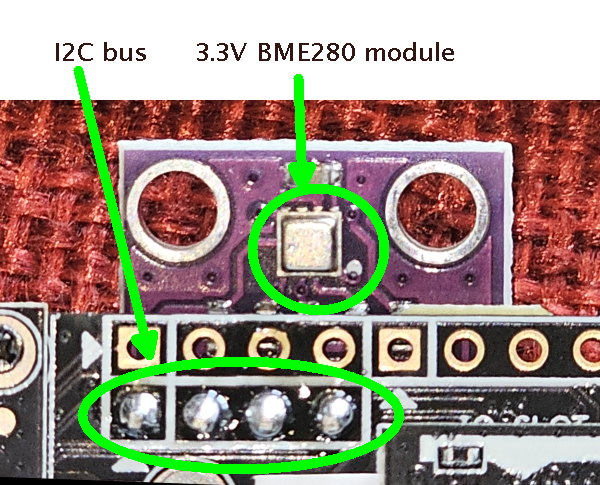
In an earlier blog article I mentioned that it is possible to add a Bosch BME280 sensor to the RAK one-watt LoRa mesh radio. This article details how to do it and how to get the telemetry. (more…)
In an earlier blog article I mentioned that it is possible to add a Bosch BME280 sensor to the RAK one-watt LoRa mesh radio. This article details how to do it and how to get the telemetry. (more…)
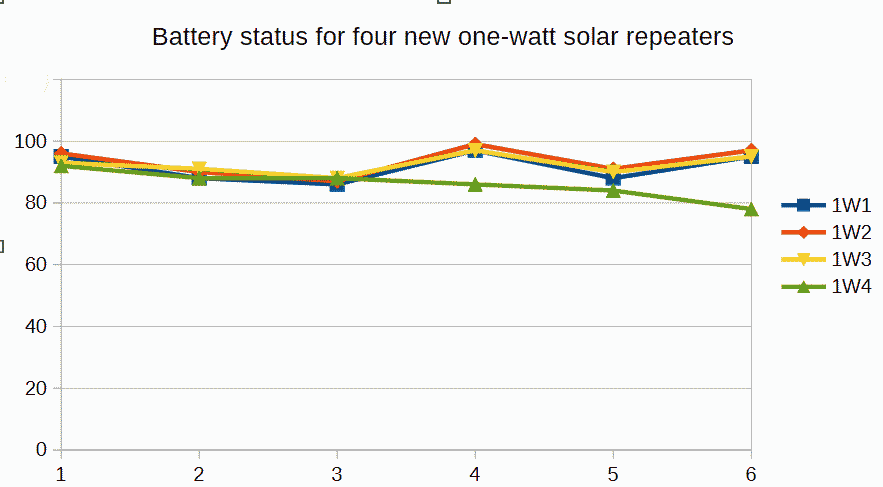
For my four recently constructed one-watt solar LoRa mesh repeaters, I tested the solar charging. This told me that there was something wrong with one of the four repeaters. (more…)
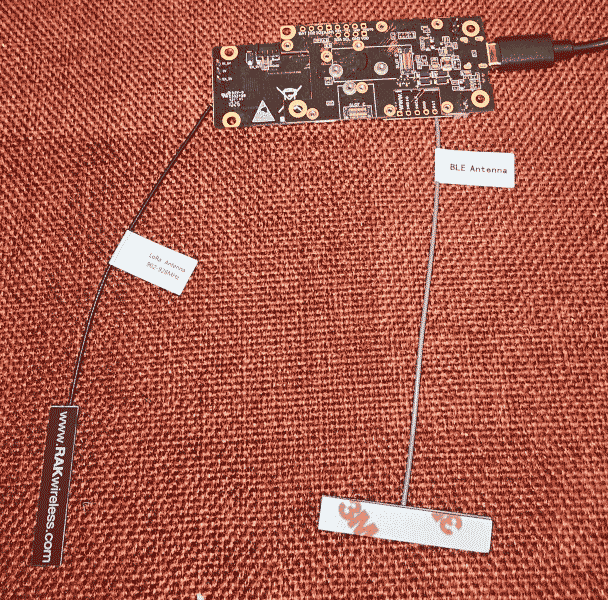
I am delighted to report that I now have constructed three one-watt Meshcore repeaters. I will test them for a few days, to observe some daily charge-discharge cycles. If they perform well in the daily cycle of charge and discharge, then I will be confident about placing them into service. (more…)
Readers of this blog already know of the door prizes that have been announced for the upcoming meeting in Summit County, Colorado for ham radio operators and friends of ham radio operators and people interested in ham radio. The previously announced door prizes are:
In addition to those first and second door prizes, I am delighted to report that third and fourth door prizes have now been added for this upcoming meeting.
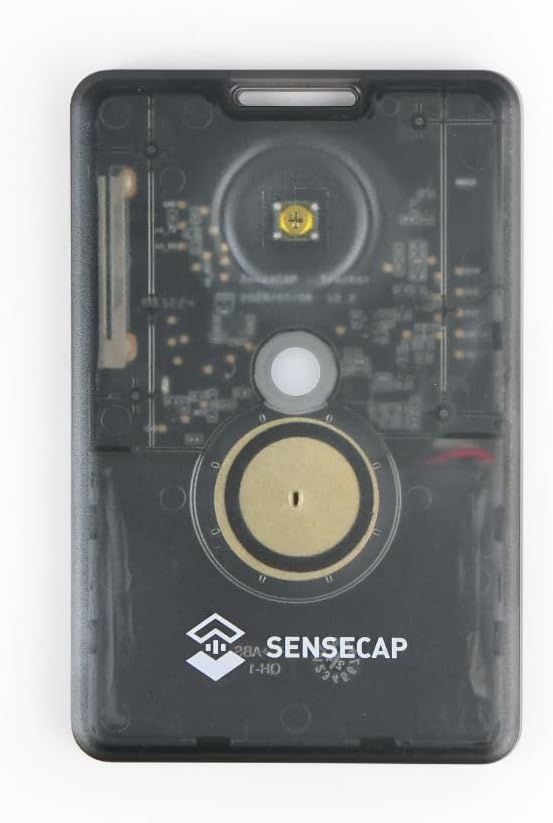
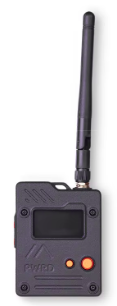
A SenseCAP Card Tracker T1000-E. This device, seen at right, has one button. It is about the size of a credit card, and could be clipped to a harness on a pet. You could use it to try to find the pet (see blog article) if the pet were to get lost. And this device is our fourth door prize for the upcoming meeting.
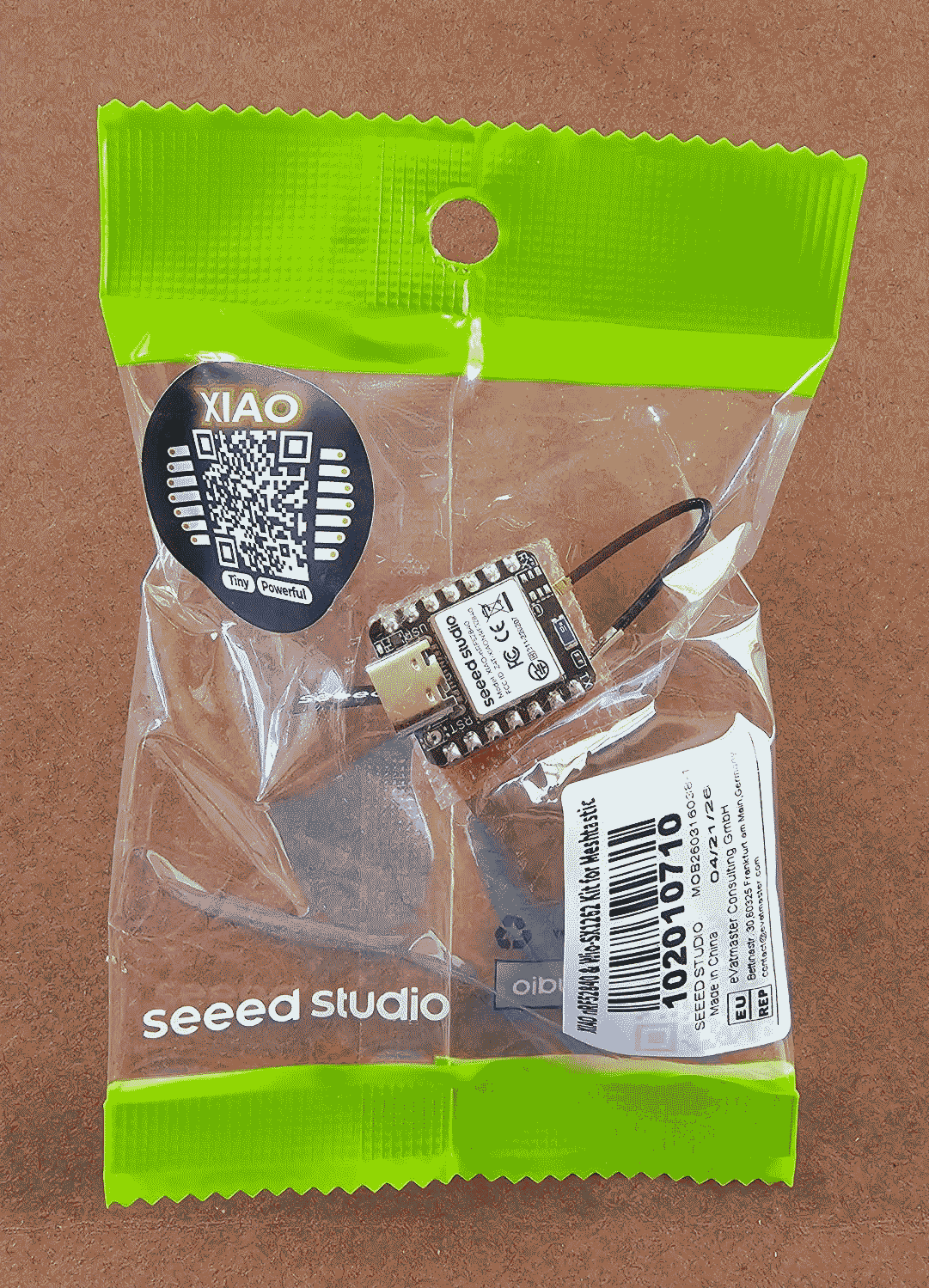
What, you might wonder, can you do with this LoRa mesh starter kit that is one of the door prizes for the upcoming inaugural ham radio meeting? I’m glad you asked. (more…)
(Update: third and fourth door prizes have been added for this upcoming meeting.)
Readers, I am delighted to be able to report that the July 1, 2026 ham radio get-together is going forward as planned.
This inaugural meeting (see Save the date!) will start at 6PM on Wednesday, July 1 at the North Branch of the Summit County Library. This is at 651 Center Circle, Silverthorne, CO 80498. (more…)
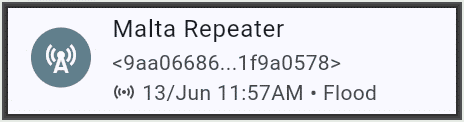
Every Meshcore device is uniquely identified to all other Meshcore devices by its “public key”. The public key is a string of 64 hexadecimal characters (meaning 256 bits). In your Meshcore “contacts” list the first few and last few characters of the public key are shown, for example with the repeater above.
If any two Meshcore devices happen to have the same first two characters in their public keys, this counts as a “collision”. This article talks about how you can avoid such a “collision”. (more…)
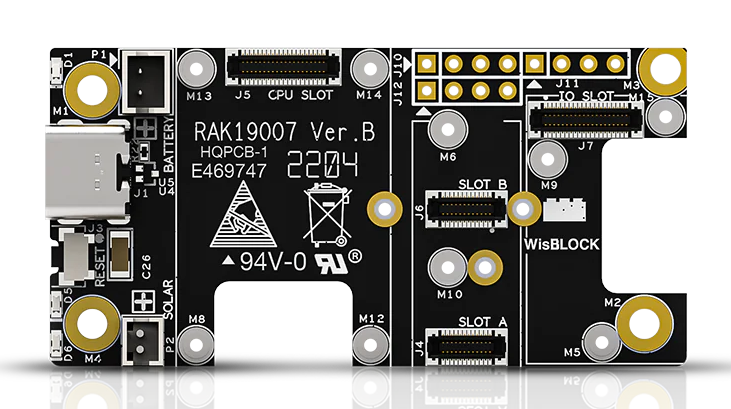
The usual path for the Harbor Breeze repeater hack is to use the charge manager that comes with the HB light. In this article I construct an HB repeater that uses the more sophisticated charge manager that is provided in the RAK 19003 and 19007 baseboards. This offers an opportunity to charge the battery at around 200 mA instead of the 50-80 mA that the HB charge controller would provide. (more…)
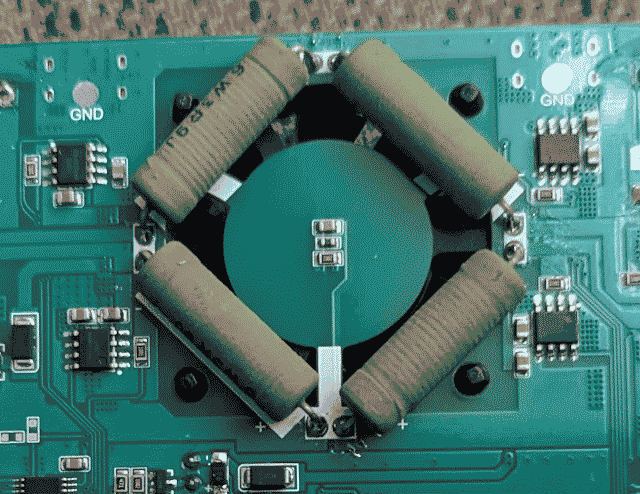
Loyal readers know (blog article) that recently I obtained a device that can carry out capacity testing on as many as four lithium batteries at a time. How exactly does the device measure the capacity of the battery? How does the device dissipate the heat during this testing? This blog article discusses and answers this question. (more…)
(Update: I am delighted to report that third and fourth door prizes have been added for this meeting.)
(Update: I am delighted to report that the upcoming meeting will proceed as planned, see blog article.)
I am working to try to set up an inaugural meeting of Summit County radio amateurs and friends of radio amateurs.
If all goes well, This inaugural meeting will be Wednesday, July 1, 2026 from 6PM to 8PM at the North Branch of the Summit County Library. This is at 651 Center Circle, Silverthorne, CO 80498. Please do not just show up for this meeting! Please check back to make sure the meeting will be going forward. Please drop me a note at carl at oppedahl dot com to let me know you plan to attend.
But please save the date. And please post a comment below with your suggestions for the agenda.
Proposed agenda with other topics welcome: